As a team of Occupational Therapists, we provide individualised and tailored capacity building and rehabilitation services for adult individuals with neurological conditions and intellectual disabilities. We are an experienced team that prefers to work with our clients in their home, workplace or community where they feel comfortable, and where therapy has maximum value.
A few of the goals we support our clients to work towards are:
- Community access (catching public transport, going to the local shops, getting to work)
- Independent living skills:
- Self-care (bathing, dressing, grooming)
- Meal preparation
- Budgeting and money management
- Building and managing a routine
- Household management
- Life stage transitions and opportunities:
- Moving out of home for the first time
- Moving into SDA from home or other accommodation
- Getting ready for work
- Finishing high school and exploring what the next stage is
- Studying at university
- Cognitive skill building (including problem-solving, insight, attention, vision/perception, and memory)
- Upper limb assessment and retraining
Our team share resources and work collaboratively, ensuring that all of our clients benefit from the collective experience of our team. We also offer Therapy Assistant services and the ability to train Support Workers in capacity building approaches, to complement direct OT therapy time.
Our NDIS Capacity Building Process
We set goals with a purpose and understand the motivation behind them
We celebrate every achievement
We focus on your abilities and strengths
We create a comfortable pace that challenges growth
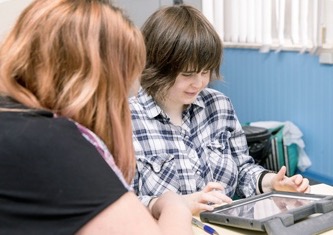
We are committed to working with you to set and achieve your goals, connect you with your community and maximise your recovery. You can expect that our therapy and recommendations will be based on up to date and relevant research that is tailored to meet your rehabilitation needs.
Contact us today
What we will do:
- Meet with you at your home to discuss your injury, what rehabilitation (if any) you’ve received so far and explore what goals are most important to you in your rehabilitation
- Assess and recommend any equipment or modifications you might need to get back home, or function better within it (eg: wheelchair, seating systems, pressure care, ramp, bathroom, kitchen)
- Advise you on home/assistive technologies available that may increase your independence and help you achieve your goals
- Work on areas of weakness you may have whilst optimizing your strengths to work towards achieving your goals
- Facilitate your independence by working on strategies/techniques and equipment to help you complete tasks- and integrate these into your daily life
- Equip you and everyone around you to support you and your rehabilitation goals everyday through education and training